5 Best Ways to Boost Soybean Profits
Published: 2 Jan 2026
Soybean farmers want one clear result from their fields. They want more profit per acre. Profit comes from smart choices. Farmers choose seed. Farmers set plant numbers. Farmers manage soil, weeds, and determine the optimal harvest time. Each choice affects yield and price.
This guide outlines five clear strategies to increase soybean profits. Each method uses simple steps. Each step focuses on real field decisions. You can use these ideas on small or large farms. You can adjust them to fit your land and budget.
1. Choose the Right Soybean Variety
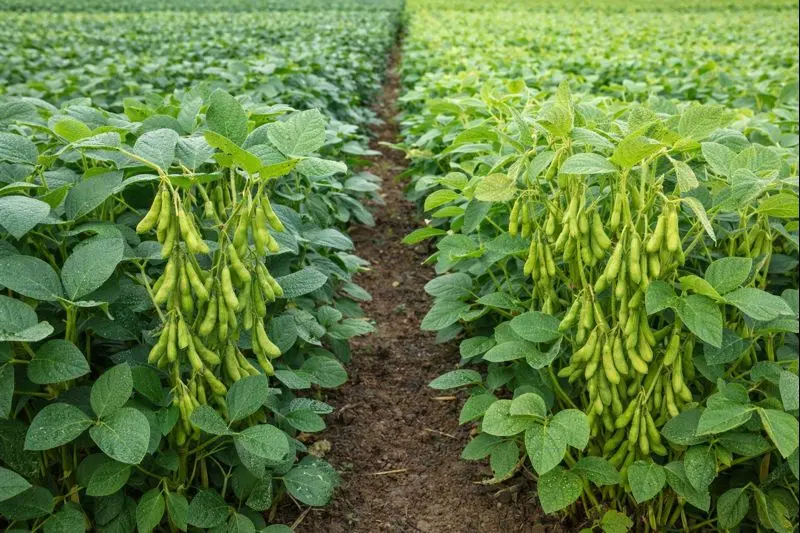
Seed choice sets the base for profit. A poor seed choice limits yield before planting starts. A good seed choice supports strong plants and better grain fill.
Match Variety to Your Field
Every field acts differently. Soil type matters. Drainage matters. Weather patterns matter.
- Heavy soil holds water longer
- Light soil drains fast
- Low fields stay cooler
- High fields dry faster
Choose soybean varieties that fit these conditions. Some varieties handle wet soil better. Some resist drought stress. Some grow well in cool springs.
Focus on Yield History
Yield history shows how a variety performs over time. Seed companies test varieties in local trials. These trials show real results.
Ask these questions:
- How does this variety yield in my area?
- Does it perform well in dry years?
- Does it handle disease pressure?
Avoid choosing seed based only on seed cost. Low-cost seed with low yield reduces profit. Higher-yield seed often returns more money.
Understand Maturity Group
The maturity group tells how long soybeans take to grow. Each region fits a certain range.
- Early groups flower sooner
- Later groups grow longer
Choose a group that matches your growing season. A wrong group can lower the yield. Too early cuts growth. Too late, risks frost damage.
Action Steps
- Review local yield trial data
- Match seed to soil type
- Select the correct maturity group
- Avoid one variety across all fields
2. Set the Right Seeding Rate
Seeding rate controls plant count. Plant count affects yield and seed cost. More seed does not always mean more yield.
What Seeding Rate Means
Seeding rate means how many seeds you plant per acre. Many farmers overplant. Overplanting raises costs and adds little yield.
Soybeans can adjust to space. Plants branch when space allows. Fewer plants can still fill rows.
Find the Best Plant Count
Most fields yield well with fewer plants than many farmers think.
Key points:
- Too many plants compete for light
- Crowded plants lodge more
- Lodged plants harvest poorly
Lower seeding rates often save money with no yield loss.
Adjust for Field Conditions
Not all fields need the same rate.
- Poor soils need more seeds
- High-yield fields need fewer seeds
- Early planting may need higher rates
- Late planting may need higher rates
Change rates by field zone. Variable-rate planting helps match seed to need.
Watch Emergence, Not Just Seed Drop
Seed drop does not equal plant count. Emergence matters.
- Cold soil reduces emergence
- Crusting reduces emergence
- Insects reduce emergence
Check stands after planting. Adjust next year based on results.
Action Steps
- Reduce seeding rate on strong soils
- Increase the rate only where needed
- Count plants after emergence
- Track yield by seeding rate
3. Improve Soil Fertility
Soil feeds soybeans. Poor soil limits yield even with good seed. Balanced fertility supports strong roots, pods, and grain fill.
Why Soil Fertility Matters
Soybeans need nutrients to grow. They remove nutrients at harvest. Replacing nutrients protects yield next season.
Healthy soil:
- Supports root growth
- Improves water use
- Feeds soil microbes
Key Nutrients Soybeans Need
Soybeans fix nitrogen from the air. They still need other nutrients.
Important nutrients include:
- Phosphorus for root growth
- Potassium for plant strength
- Sulfur for protein building
- Micronutrients for plant health
Low levels reduce yield. Balanced levels protect profit.
Use Soil Tests
Soil tests show what soil lacks. Guessing wastes money.
A soil test:
- Shows nutrient levels
- Guides fertilizer rates
- Prevents over-application
Test every few years. Test each field or zone.
Fix pH Problems
Soil pH controls nutrient use. Low pH locks nutrients. High pH causes deficiencies.
Most soybeans prefer near-neutral pH. Lime raises pH when needed.
Action Steps
- Test the soil regularly
- Apply fertilizer based on results
- Balance nutrients, not just one
- Correct pH before yield drops
4. Manage Weeds Early
Weeds steal yield. They compete for light, water, and nutrients. Early weed control protects yield potential.
Why Early Control Matters
Weeds cause damage early. Even small weeds reduce yield.
Early weed pressure:
- Slows soybean growth
- Reduces branching
- Cuts pod numbers
Later control cannot fix the early loss.
Start Clean
Clean fields at planting matter.
Options include:
- Tillage before planting
- Burndown herbicides
- Cover crop termination
Planting into clean ground gives soybeans a strong start.
Use Layered Control
One pass rarely controls weeds all season. Layered control works better.
Layered control includes:
- Pre-emerge products
- Post-emerge products
- Crop canopy closure
This approach reduces escapes.
Watch Resistant Weeds
Some weeds resist common products. Repeated use causes failure.
Rotate:
- Herbicide modes
- Crop traits
- Control methods
Diversity slows resistance.
Action Steps
- Control weeds before planting
- Apply pre-emerge products
- Scout fields often
- Act fast on escapes
5. Time Harvest the Right Way
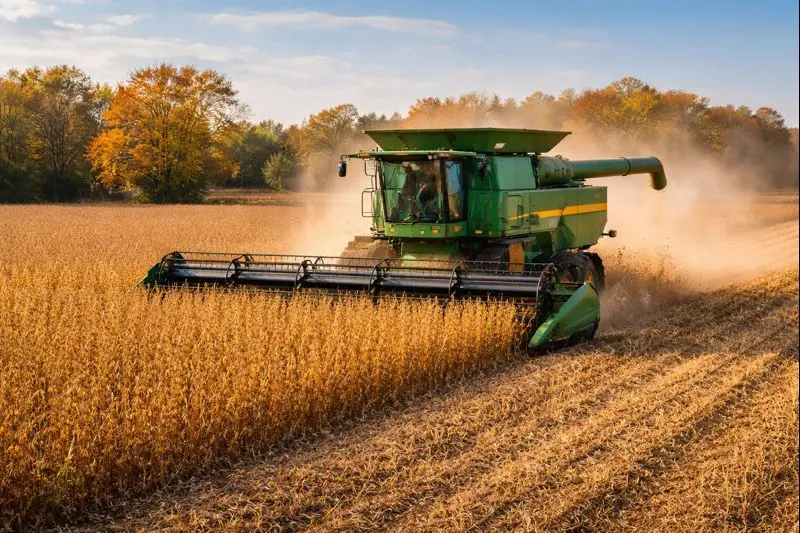
Harvest timing affects yield and price. A late harvest loses beans. Early harvest protects quality.
Why Timing Matters
Soybeans dry down fast. Delays cause loss.
Harvest delays lead to:
- Pod shatter
- Lodging
- Weather damage
Each day lost costs money.
Know When Soybeans Are Ready
Soybeans reach harvest readiness when seeds reach proper moisture.
Signs include:
- Leaves drop
- Pods turn brown
- Seeds rattle in pods
Harvest when moisture allows clean threshing.
Avoid Overdrying
Overdried beans crack and split. Cracked beans are are lower grade.
Ideal harvest moisture:
- Reduces shatter
- Protects quality
- Improves storage
Monitor moisture often.
Plan Harvest Order
Not all fields mature at the same time.
Harvest first:
- Fields with lodging risk
- Early maturity varieties
- Problem fields
Good planning reduces loss.
Action Steps
- Check fields daily near harvest
- Harvest at the correct moisture
- Adjust the combine settings
- Prioritize high-risk fields
Use a soybean yield calculator to estimate grain output before harvest. This tool helps farmers check yield by field and variety. It also helps plan harvest timing and grain sales. Accurate yield estimates support better profit decisions.
Final Thoughts on Raising Soybean Profits
Profit comes from many small choices. No single step fixes everything. Together, these five methods raise returns.
Key points to remember:
- Seed choice sets yield potential
- Proper seeding saves money
- Healthy soil supports strong plants
- Early weed control protects yield
- Timely harvest keeps grain quality
Use these steps to guide field decisions. Track results each season. Adjust where needed. Simple changes often bring strong returns.
Better decisions lead to stronger soybean profits.



- Be Respectful
- Stay Relevant
- Stay Positive
- True Feedback
- Encourage Discussion
- Avoid Spamming
- No Fake News
- Don't Copy-Paste
- No Personal Attacks
- Be Respectful
- Stay Relevant
- Stay Positive
- True Feedback
- Encourage Discussion
- Avoid Spamming
- No Fake News
- Don't Copy-Paste
- No Personal Attacks
